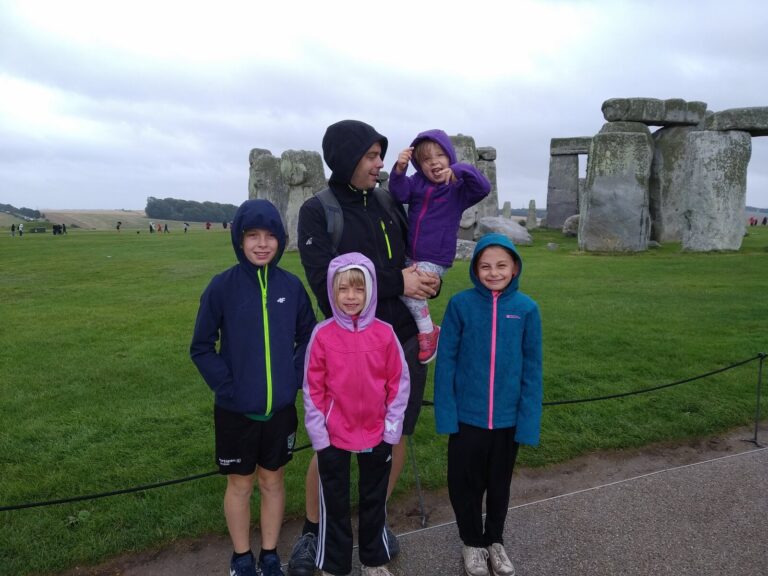
Dunkirk to Dover ferry, the White Cliffs and the seagulls at Kingsdown
How long is the ferry from Dunkirk to Dover? About two hours, even if your ticket seems to say one. UK clocks are one hour behind France, and the times on the ticket are local. We found this out halfway across, on 12 August 2019, the second day of our trip around Great Britain with four kids. On the same day we saw the White Cliffs of Dover, got completely wet and lost a battle with the seagulls at Kingsdown campsite.
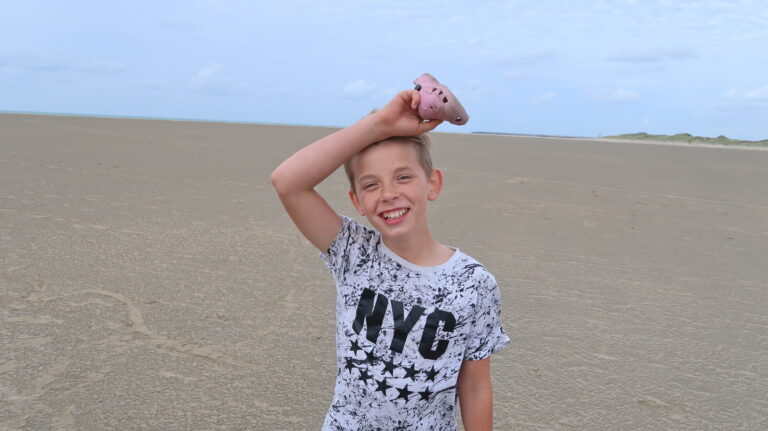
The day before, we rested in Gravelines after the night drive from Poland (Gravelines beach at low tide). The plan of the whole trip is in our post UK road trip with kids.
DFDS ferry from Dunkirk to Dover
From the campsite to the DFDS port in Dunkirk it was only a 14-minute drive. France said goodbye with rain. We got to the port an hour early, but we did not have to wait. The staff squeezed us onto an earlier ferry that had not left yet. A nice surprise at the start of the trip.
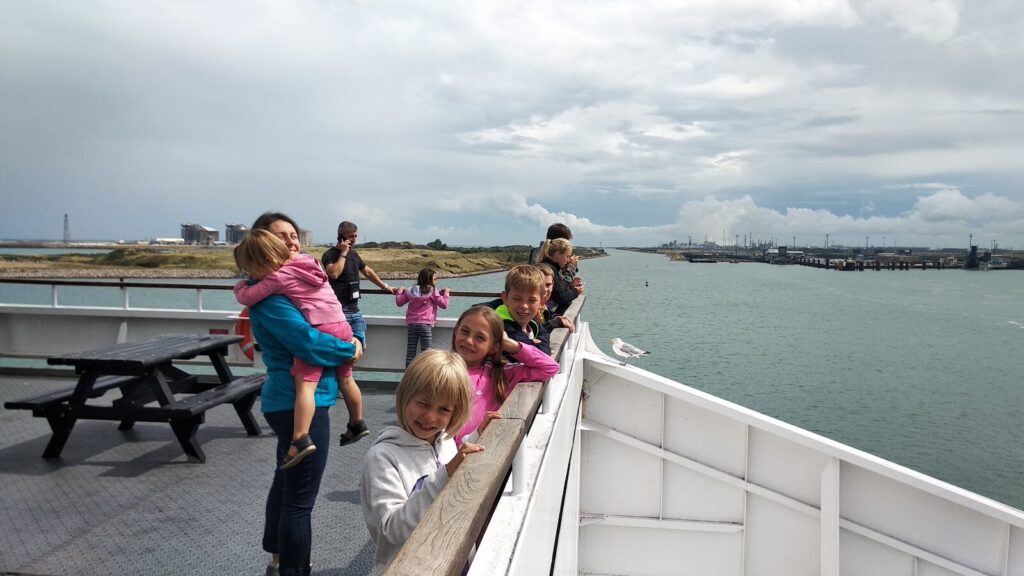
We left the car on the car deck and went up to the top deck to watch the ferry leave the port. The kids loved being so high above the water, the ship's funnels and a seagull that landed right next to the railing.
One hour or two? The time change on the ferry
We did not take any sandwiches on board, because our ticket said the crossing was one hour. After an hour, though, we were only halfway there, and then we understood: we were changing time zones. On the ticket the departure is in French time and the arrival in UK time, so the crossing really takes two hours. The kids got chips and nuggets from the ferry restaurant, and the problem was solved.
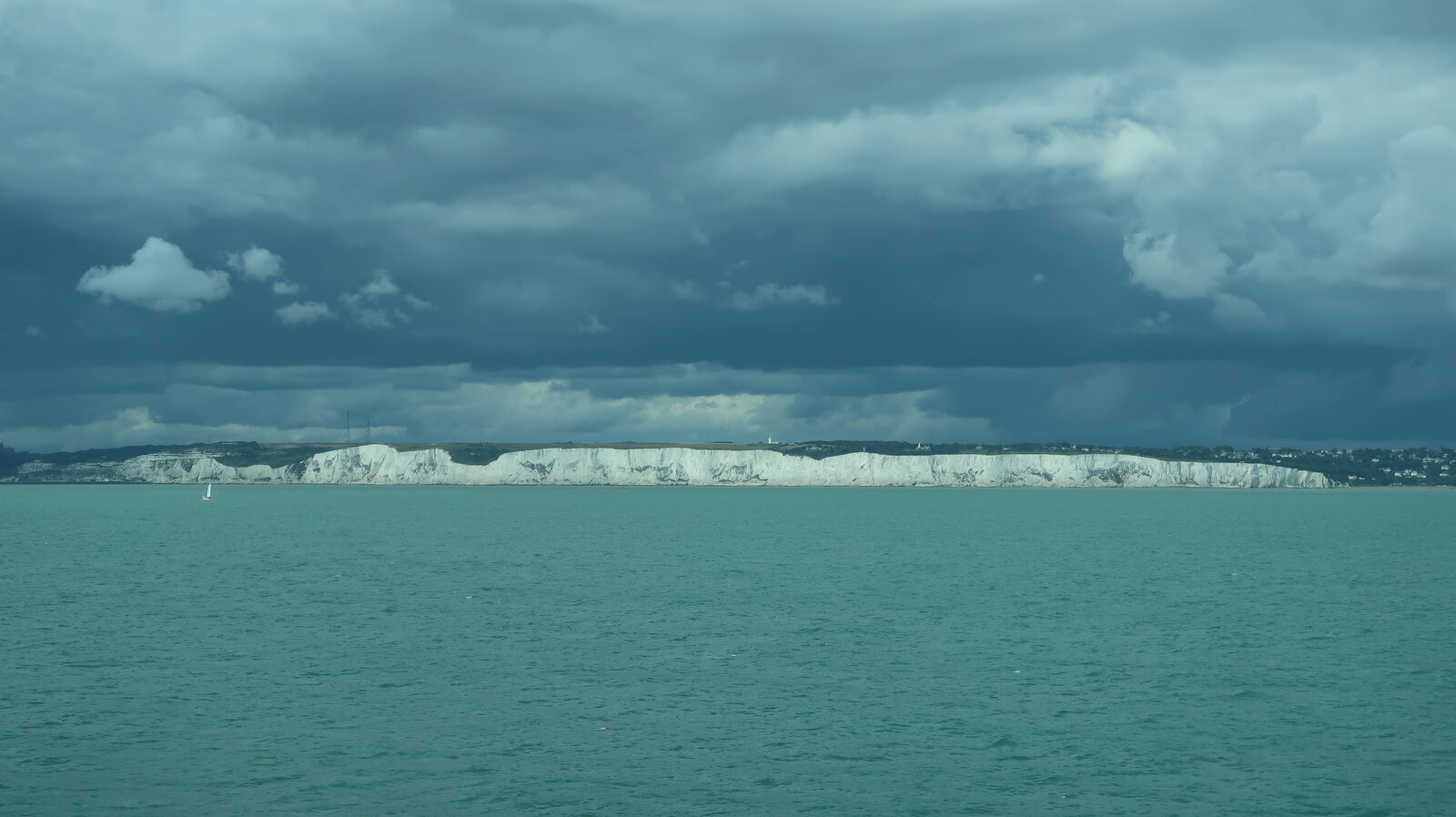
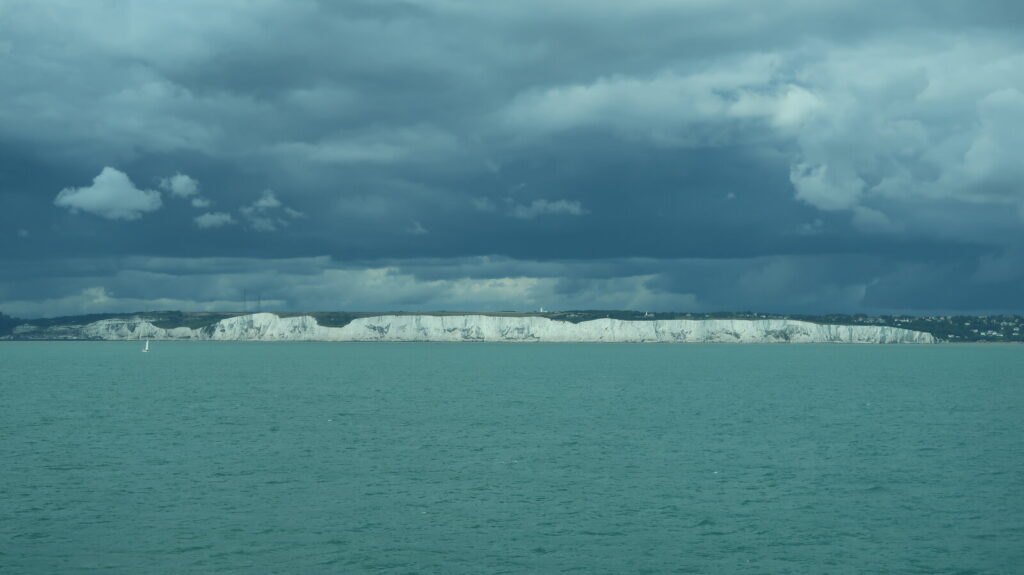
At the end of the crossing we saw the white cliffs and the port of Dover through the windows.
First miles on the left, and a screw in the tyre
We arrived in Dover at 14:20 and started driving on the left straight away. Our first adventure came quickly. Still in the port, we noticed a screw in one of our tyres, and the tyre was losing air.
We found a Kwik Fit Watling Tyres garage in town. The mechanics took out the screw, repaired the tyre and did not want any money for it. In Poland you always pay for this kind of job, so it was a very nice surprise.
The White Cliffs of Dover with kids
From the port to the White Cliffs it is about 7 km. We parked at South Foreland Heritage Coast and walked up the path to the top of the cliffs. There were steep steps, but the kids walked bravely, because they wanted to see the view. From the top you can see the port of Dover, with the ferry we had just arrived on, and ships at sea.
After about 30 minutes dark clouds came in, so we turned back to the car. We did not make it. This time the rain won, and we got completely wet.
Fun fact: what are the White Cliffs made of?
The White Cliffs of Dover are up to about 110 metres high. They are made of chalk, which comes from tiny algae that settled on the sea bed over millions of years. The dark lines in the cliff face are flint.
Umbrellas from Lidl
On the way back from the cliffs we stopped at Lidl. Apart from food, we bought umbrellas, because we did not have a single one in the car. We used them many more times on this trip. The local roads surprised us, because they are so narrow.
Kingsdown campsite by the sea
We spent our first night in Britain at Kingsdown International Camping Centre. In the middle of the campsite there was a big field, and we did not really understand why everyone was camping around the edges and nobody in the middle. We chose a free spot in the middle.
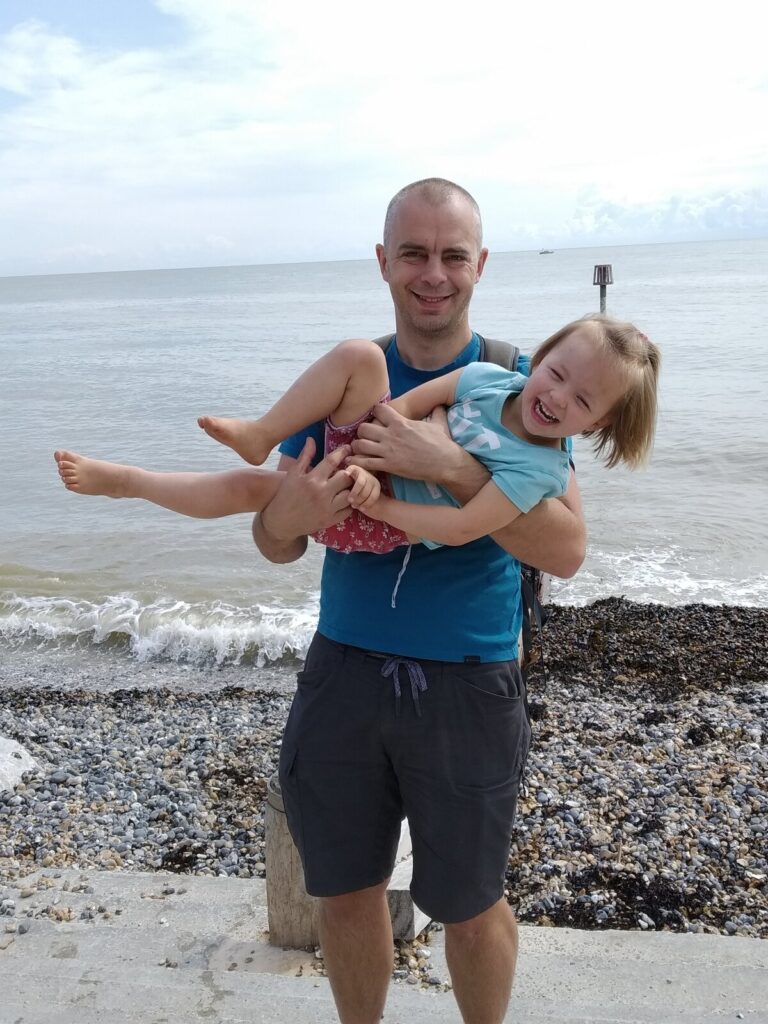
From the campsite a path through a green gate and some bushes goes straight down to the beach. The beach has pebbles, not sand, and the water was cold, but the kids still got their feet wet. Next to the path there was a sign showing how long rubbish left on the beach takes to break down:
- a coffee cup about 50 years,
- a drinks can 80 to 200 years,
- a nappy about 450 years.
Another sign warned about falling rocks, because the chalk cliffs run from Dover all the way to Kingsdown.
The seagulls and our rubbish
As usual, we tied our rubbish bag to the tow bar of the car. In the morning we woke up and saw that the seagulls had spread all our rubbish around the tent.
In the morning we went down to the sea once more. The waves were big, and the kids looked for flint stones on the beach and tried to make sparks with them.
The next day: near London
On Tuesday we drove towards London, to a campsite in Chertsey, our base for the next few days. Our first stop was a museum of planes and London buses (Brooklands Museum with kids).
Practical info
- Ferry: the DFDS crossing from Dunkirk to Dover takes about 2 hours and is for passengers with vehicles only. Ticket times are local, and the UK is one hour behind France.
- Food: there is a restaurant on board, but it is good to have your own snacks for the two-hour crossing.
- Earlier sailing: we arrived an hour early and the staff put us on a ferry that was still in the port (2019). It is worth being early.
- Documents: in 2019 the UK was still in the EU and an ID card was enough. Today most EU visitors need a passport, and every traveller, children too, needs an Electronic Travel Authorisation (ETA). It costs £20 and you apply online at gov.uk.
- White Cliffs: the cliff walks lead towards South Foreland Lighthouse, and the National Trust looks after the area. The paths run close to the cliff edge, so with small kids stay on the trail.
- Kingsdown campsite: right by the beach, with a path down to the sea. Hide your rubbish bag from the seagulls at night.
More from our trips
Watch the videos from our trips on YouTube and see photos from the road on Instagram.